
Why Is Backflow Testing Important for Your Property?
Backflow testing is important because it verifies that your backflow prevention device is working properly and helping keep contaminated or non-potable water from flowing backward into the clean water supply. Regular testing can identify failing components before they create a water-quality risk, while also helping property owners meet applicable local backflow prevention requirements.
At Tutor & Fuller Plumbing, we understand that protecting your property’s water supply involves more than fixing visible leaks and clogged drains. Backflow problems can occur without obvious warning, which makes prevention and proper testing especially important. Our experienced plumbing professionals help property owners understand their plumbing systems, identify potential concerns, and maintain the devices designed to protect potable water. Whether your property has an irrigation system, a backflow prevention assembly, or another potential cross-connection, professional attention can provide confidence that these safeguards are functioning as intended.
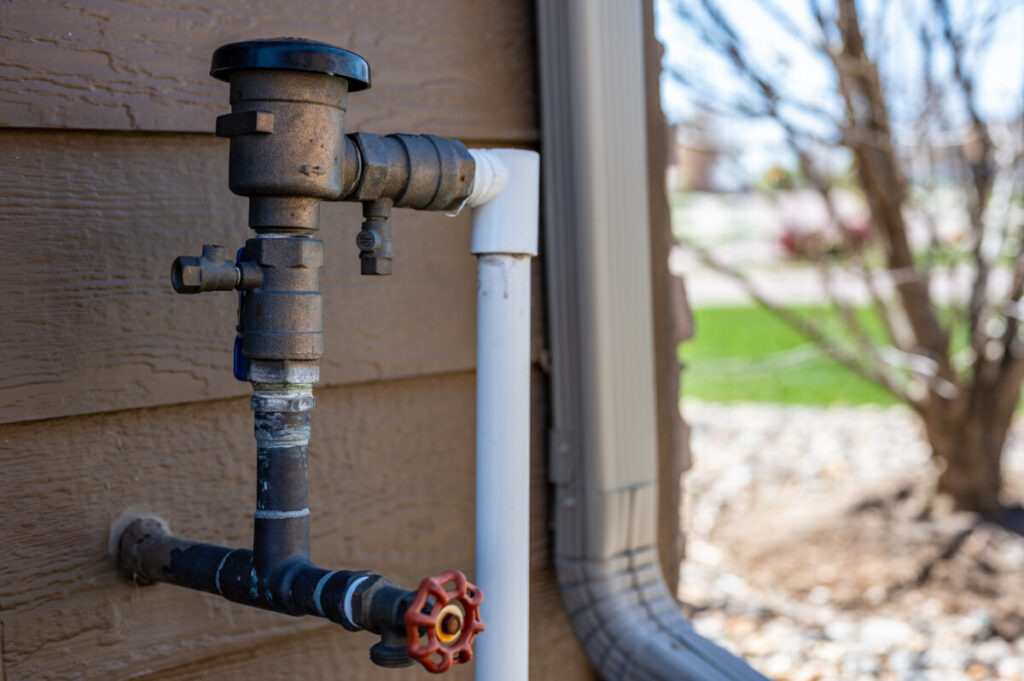
How Backflow Prevention Testing Helps Protect Your Water Supply
A backflow prevention device creates a barrier between potable water and potential sources of contamination. Testing confirms that the assembly’s critical components operate correctly under the pressure conditions they were designed to handle.
The U.S. Environmental Protection Agency (EPA) defines backflow as the unwanted flow of used or non-potable water or other substances back into a potable water distribution system. The agency notes that cross-connections can create pathways that allow non-potable materials into premise plumbing or public distribution systems. This is why cross-connection control and backflow prevention are important parts of maintaining water quality.
What Causes Backflow in a Plumbing System?
Backflow occurs when normal water flow reverses because pressure conditions change. Two primary conditions can cause this reversal: backsiphonage and backpressure.
Backsiphonage occurs when pressure in the potable water system drops below the pressure at another connected source. According to the EPA, conditions such as water main breaks, pump failures, system flushing, or heavy firefighting demand can contribute to reduced pressure.
Backpressure occurs when pressure from a connected system becomes greater than the pressure in the potable water supply. When an unprotected cross-connection exists, that pressure difference can push water or other substances in the wrong direction.
Potential cross-connections around a property can involve:
- Irrigation and sprinkler systems
- Outdoor hoses and hose connections
- Pools and other water features
- Certain heating or mechanical systems
- Plumbing connected to non-potable water sources
- Other equipment connected directly to the potable water system
The EPA states that untreated water entering through an unprotected cross-connection can lead to chemical or microbiological contamination. That makes preventing the reversal of flow an important part of protecting drinking water.
Why Does a Backflow Preventer Need to Be Tested?
A backflow preventer needs testing because installing the device does not guarantee that it will continue operating correctly indefinitely. Internal valves, seals, springs, and other components can wear, become damaged, accumulate debris, or otherwise stop performing as designed.
The American Water Works Association (AWWA) supports backflow prevention measures appropriate to the potential hazard and hydraulic conditions involved. Its cross-connection guidance also emphasizes periodic testing and maintenance of backflow prevention assemblies to verify proper operation.
A professional test can help determine whether:
- Valves open and close correctly
- Check valves maintain the required pressure
- Relief components function properly
- The assembly is leaking or damaged
- Repairs or replacement may be necessary
Testing is therefore preventative rather than simply reactive. You do not want to discover that a backflow preventer has failed only after a water-quality problem occurs.
What Happens If a Backflow Prevention Device Fails?
A failed backflow prevention device may leave the potable water system vulnerable if a backflow condition occurs. The severity of the risk depends on the type of cross-connection and what substances could potentially enter the water supply.
EPA guidance notes that cross-connections can result in serious chemical or microbiological contamination events. In one case documented by the EPA, an irrigation cross-connection allowed irrigation water to flow into a county water system, and subsequent samples tested positive for E. coli. This example demonstrates why backflow prevention is more than a routine plumbing maintenance issue.
If an assembly fails its test, the appropriate response may include cleaning, repairing, rebuilding, or replacing the device, depending on its condition and applicable requirements.
Addressing a failed test promptly helps restore the protective barrier between your drinking water and potential contaminants.
How Often Should You Schedule Backflow Testing?
The required testing schedule depends on the type of backflow prevention assembly and the rules established by the local water utility or regulatory authority. Some properties and devices may be subject to periodic testing requirements, so property owners should confirm the requirements that apply at their specific address.
Testing may also be appropriate after:
- Installation of a new backflow prevention assembly
- Repairs or replacement of an existing device
- Changes to irrigation or plumbing systems
- A known backflow or cross-connection concern
- A notice or request from the local water provider
The AWWA recommends ongoing cross-connection control programs and appropriate maintenance of backflow prevention devices. Keeping up with required testing can help property owners identify problems early and maintain effective protection for the water system.
Frequently Asked Questions About Backflow Testing
Can you tell if a backflow preventer is failing just by looking at it?
Not always. Visible leaks or damage can indicate a problem, but internal components may malfunction without obvious exterior signs. Testing measures how the assembly performs rather than relying solely on a visual inspection.
Does an irrigation system need backflow protection?
Irrigation systems can create cross-connections between potable water and water that may be exposed to soil, fertilizers, pesticides, bacteria, and other substances. The specific backflow prevention device and testing requirements depend on the system and applicable local regulations.
What is the difference between backflow prevention and backflow testing?
Backflow prevention refers to the methods or devices used to stop unwanted reverse water flow. Backflow testing is the process of checking a testable prevention assembly to confirm that its components are functioning properly.
What should I do if my backflow preventer fails a test?
A failed assembly should be evaluated and corrected promptly. Depending on the cause and condition of the device, a qualified professional may recommend repair, replacement, and retesting.
Protect Your Property With Professional Backflow Testing
Backflow prevention is an important safeguard for your property’s potable water. Because a device can develop problems without obvious warning, proper testing helps verify that the protection you depend on is actually working.
Tutor & Fuller Plumbing is ready to help you understand your backflow prevention system, identify problems, and keep your plumbing operating safely and reliably.
Ready to schedule backflow testing? Contact Tutor & Fuller Plumbing today!