What Plumbing Problems Are Most Common During Summer?
The most common summer plumbing problems include clogged drains and garbage disposals, sewer line backups, leaking pipes and fixtures, irrigation leaks, and increased stress on water heaters. Higher household water use, outdoor activities, landscaping, and summer gatherings can put extra demand on plumbing systems. Catching slow drains, unusual odors, running toilets, low water pressure, or unexplained increases in water use early can help prevent larger repairs.
Tutor & Fuller Plumbing helps homeowners identify and solve plumbing problems before a small inconvenience becomes a major disruption. Summer can bring a different set of challenges than cooler months, especially as families use more water, spend more time outdoors, host guests, and rely heavily on kitchens, bathrooms, and outdoor plumbing. Our team focuses on dependable workmanship, clear communication, and practical solutions that help protect your home and plumbing system. Knowing which summer plumbing problems to watch for can help you recognize warning signs early and know when it is time to call a professional.
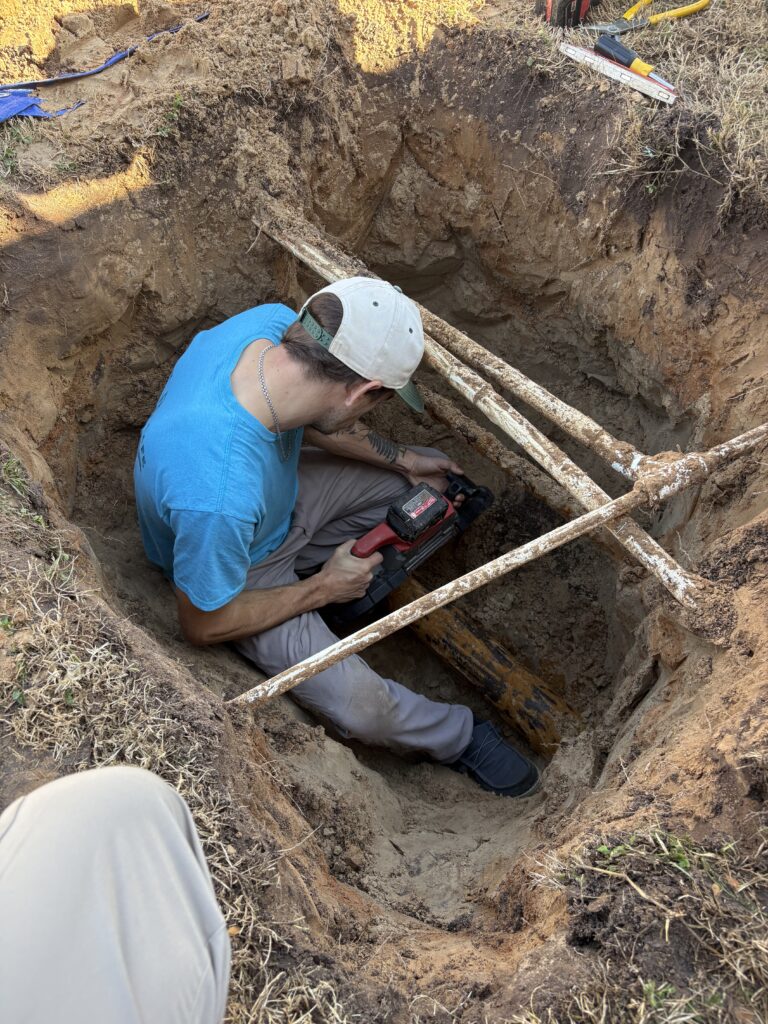
Common Summer Plumbing Issues and How to Prevent Them
Many summer plumbing issues develop because household water use and outdoor activity increase. Paying attention to drains, toilets, irrigation lines, sewer systems, and water heaters can help you catch trouble before it leads to water damage, wastewater backups, or higher utility bills.
Why Are Clogged Drains and Garbage Disposals Common in Summer?
Clogged kitchen drains and garbage disposals can become more common when summer cooking, gatherings, and food preparation send additional waste through the kitchen plumbing. Grease, fibrous foods, coffee grounds, bones, and other inappropriate items can contribute to blockages or damage a garbage disposal.
Summer cookouts are a good time to be especially careful about what goes down the kitchen sink. Even when a garbage disposal is available, it should not be treated like a trash can.
To help prevent summer drain problems:
- Scrape food scraps into the trash or compost before washing dishes.
- Never pour cooking grease or oil down the drain.
- Avoid putting bones, fruit pits, corn husks, or other hard or fibrous foods into the garbage disposal.
- Run cold water while using the disposal and briefly afterward.
- Address slow drainage before the line becomes completely blocked.
If several drains become slow at the same time, the problem may be deeper in the plumbing system and should be evaluated professionally.
Can Summer Weather Cause Sewer Line Problems?
Summer itself does not automatically cause sewer damage, but growing tree roots, heavy water use, and existing pipe defects can contribute to sewer line clogs or backups. Roots are naturally attracted to sources of moisture and can enter sewer lines through cracks, loose joints, or damaged sections.
Once roots enter a pipe, they can catch debris and restrict wastewater flow. Over time, the obstruction may contribute to recurring clogs or a sewage backup.
Possible signs of a sewer line problem include:
- Multiple slow or clogged drains
- Gurgling sounds from toilets or drains
- Sewage odors inside or outside the home
- Water backing up into tubs or showers
- Unusually wet or lush areas of the yard
A single clogged sink may be a localized issue. When multiple fixtures have drainage problems at once, however, a main sewer or drain line should be considered.
Why Does My Water Bill Go Up During the Summer?
Summer water bills often increase because of lawn watering, outdoor cleaning, pools, guests, and other seasonal water use, but an unusually large increase can also indicate a leak. Toilets, faucets, outdoor hose connections, irrigation lines, and underground pipes can waste significant amounts of water without always producing an obvious puddle.
According to the U.S. Environmental Protection Agency’s WaterSense program, the average family can waste about 9,400 gallons of water per year from household leaks, and fixing easily corrected leaks can save homeowners about 10 percent on their water bills.
If your water consumption rises without a clear explanation, check for running toilets, dripping fixtures, wet areas around outdoor faucets, and soggy areas in the yard. You can also check your water meter before and after a period when no water is being used. If the reading changes, a leak may be present.
How Can I Tell if My Irrigation System Has a Plumbing Leak?
Unexpectedly wet areas, low sprinkler pressure, uneven watering, or a sudden jump in water consumption can indicate an irrigation leak. Because much of an irrigation system is underground, leaks can continue unnoticed for days or weeks.
Outdoor water use already represents a significant portion of household consumption. The EPA reports that outdoor water use accounts for more than 30 percent of total household water use on average, and inefficient irrigation can waste substantial amounts of water.
Walk your property periodically while the irrigation system is running. Look for broken sprinkler heads, pooling water, unusually soft ground, misting instead of spraying, and areas that stay wet long after watering ends.
Does Summer Put Extra Stress on a Water Heater?
Yes, increased household activity can make existing water heater problems more noticeable. More showers, laundry, dishes, houseguests, and family members being home can increase demand on a system that may already be losing efficiency.
Warning signs that your water heater needs attention can include:
- Hot water running out sooner than usual
- Inconsistent water temperature
- Unusual popping or rumbling noises
- Discolored hot water
- Moisture or pooling around the tank
- Visible corrosion
Do not ignore water around the base of a water heater. A leaking tank or connection can worsen and cause significant water damage.
How to Prevent Plumbing Problems This Summer
A quick summer plumbing inspection can help identify leaks, drainage issues, and worn components before they become emergencies. Homeowners do not need specialized equipment to spot many early warning signs.
At the beginning of summer, take a few minutes to:
- Check faucets, toilets, and exposed pipes for leaks.
- Look underneath sinks for moisture or staining.
- Test drains and note any that empty unusually slowly.
- Inspect outdoor faucets and hose connections.
- Watch the irrigation system through a complete watering cycle.
- Look around the water heater for leaks or corrosion.
- Pay attention to unusual increases in water consumption.
- Make sure you know where the home’s main water shutoff valve is located.
Some minor fixture issues can be straightforward to correct. Recurring clogs, hidden leaks, sewer backups, significant pressure changes, and water heater leaks are better handled by a professional plumber.
Summer Plumbing Problems FAQ
What is the most common plumbing problem in summer?
Clogged drains, leaks, irrigation problems, and sewer line issues are among the plumbing problems homeowners may notice during summer. Increased household and outdoor water use can also reveal problems that were already developing.
Can hot weather cause pipes to leak?
Heat alone does not necessarily cause a plumbing leak, but seasonal soil movement, aging materials, pressure problems, and existing pipe damage can contribute to leaks. An unexplained increase in water use or wet area around the property deserves investigation.
How do I know if I have a hidden plumbing leak?
Common signs include an unexplained increase in water consumption, the sound of running water when fixtures are off, damp walls or flooring, musty odors, and movement on the water meter when no water is being used.
When should I call a plumber for a summer plumbing problem?
Call a professional when you have recurring clogs, multiple slow drains, sewage odors or backups, suspected hidden leaks, unexplained low water pressure, water heater leaks, or a plumbing problem you cannot safely identify or repair.
Keep Summer Plumbing Problems From Disrupting Your Home
Summer should be spent enjoying your home, not dealing with clogged drains, leaking pipes, or unexpected sewer problems. Paying attention to changes in water use and addressing warning signs early can help prevent inconvenient and potentially costly plumbing emergencies.
Ready to take care of a summer plumbing problem? Contact Tutor & Fuller Plumbing today to schedule professional plumbing service.